HOME Contact Us Meet K-9 "HAVOC" The Handler 1st Responder Outreach Partners & Sponsors The HAVOC Act 2026 Petition
Speaking, Guest Lecturing & Media Advocacy After The Sirens Toronto First Responder Peer Group Advanced Rescue Solutions Inc.




THE GHOSTS IN MY HEAD.......
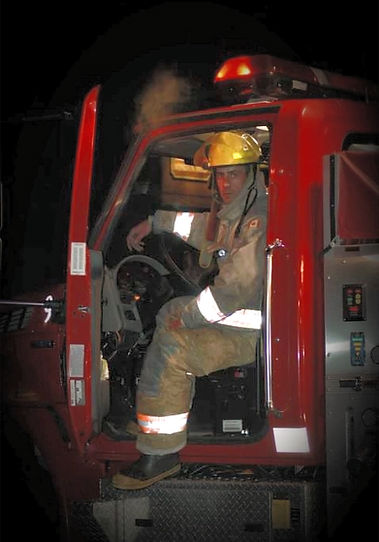
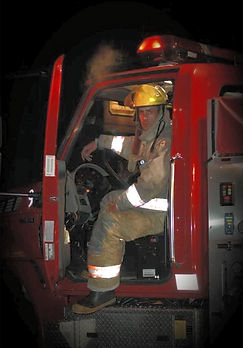
For years, Scott Hembruff operated on the frontlines as a Firefighter, Water Rescue Specialist, and EMT-Medic.
He was the guy shoved through the shattered windows of crushed cars and the medic holding hands during aortic dissections. But you don't survive that combination of careers without acquiring ghosts.
The career was an overflowing filing cabinet of PTSD, from Ground Zero to snowbank extrications.
When the medical system looked at the wreckage, handed him a bottle of pills, and walked away,
The Havoc Project was born.



_edited.png)





.png)

DOB: Dec, 25th,1975
Specialty: Firefighter, EMT, Water, Wilderness & Ice Rescue Specialist, CISM, NVCI,
Status: Medically Retired & Classified Disabled Prov & Fed.
Hobbies:
Sailing, Outdoors Adventures, HAM Radio, Astronomy, Computers & Web Design


.jpg)
Listen to the sonic expression of The Havoc Project. This heavy, visceral beat captures the intensity of trauma and the rhythmic grounding required to survive it. It matters because it is the sonic representation of a first responder's heartbeat—transformed from a state of chaos to a state of focused recovery.







Mission Statement Overview
The Havoc Project and its proposed legislative framework, The Havoc Act, operate as a joint operational response and policy initiative designed to combat the silent epidemic of medical and psychiatric fallout among emergency services and frontline personnel. The overarching mission is to modernize service dog access, establish transparent competency-based testing standards, and provide accessible, trauma-informed care for individuals recovering from Operational Stress Injuries (OSIs) and Post-Traumatic Stress Injury (PTSI). By blending active, real-world peer support with systemic legislative reform, the initiative aims to eliminate institutional bottlenecks, reduce prohibitive costs, and ensure that task-trained psychiatric service animals are immediately integrated into clinical recovery plans without barriers.
Core Objectives of The Havoc Project
-
Providing Operational Peer Outreach: The Havoc Project functions as an operational lifeline for disabled operators who are frequently left isolated and struggling with failing biological systems after they remove their uniform for the last time.
-
Bridging the Gap via "The Chameleon Concept": To bypass defensive barriers, the project utilizes a high-visibility strategy where the service dog (Havoc) wears a specific tactical vest corresponding to the environment, such as Police Black, Fire Red, or EMS Blue. This uniform triggers the dog's work-state while simultaneously enabling active-duty responders to bond with her, covertly opening the door for essential peer-support dialogue.
-
Implementing Live Station Peer Interaction: The project actively moves intervention out of sterile clinical environments and directly onto the front lines by bringing the service dog, Havoc, into active police, fire, and EMS stations. By facilitating direct interactions with on-shift personnel in their own environments, this initiative serves a vital dual purpose. First, utilizing "The Chameleon Concept," Havoc wears a tactical vest corresponding to the specific station's branch, which acts as a natural, disarming bridge to covertly open up essential peer-support dialogue about mental health. Second, her presence delivers immediate, on-shift relief and somatic stress de-escalation for active-duty crews who are actively managing the daily traumas of emergency response work.
-
Harmonizing Legislation with Human Rights: A primary legislative objective is to mandate that all statutes, municipal bylaws, insurance regulations, and social assistance rules align with core accessibility laws. This ensures that legal recognition is based on functional medical necessity documented by a regulated health professional, rather than the dog's training origin.
-
Dismantling Institutional Gatekeeping to Empower Independent Training: The project seeks to eliminate centralized institutional training monopolies that force vulnerable individuals onto 2- to 5-year waitlists and impose exclusionary costs ranging from $25,000 to $30,000. Removing these barriers protects the legal rights of handlers to owner-train or work with independent professional trainers and canine behaviorists to evaluate, task-train, and deploy privately sourced dogs, including high-drive rescue and shelter candidates.
-
Establishing Flexible Competency Standards via Established Methods: The initiative replaces redundant bureaucracies by establishing that any recognized, industry-standard Public Access Test (PAT) fulfills public safety benchmarks. Handlers can demonstrate public readiness using existing, objective evaluations already utilized across canine behavioral networks and community training organizations. This standardized, competency-based testing evaluates core functional metrics in real-world environments, including basic obedience, public composure, environmental neutrality, and the execution of specific disability-mitigating tasks safely and effectively.
-
Securing Universal Social Service and Insurance Recognition: The initiative advocates for rapid adjudication and presumptive expense coverage under workplace safety and insurance boards. Furthermore, it requires social assistance programs to explicitly cover service dog maintenance, food allowances, and veterinary costs without clawbacks or administrative delays.
-
Ensuring Equity for Volunteer and Auxiliary Personnel: The project explicitly legislates equal access and expense coverage for volunteer firefighters, auxiliary officers, and part-time responders. This guarantees that all personnel who experience the same operational trauma as full-time staff have equal access to recovery tools.
-
Restoring Clinical Autonomy in Mental Health: By dismantling administrative roadblocks, the initiative re-establishes psychiatrists, psychologists, and psychotherapists as the sole authorities on an individual's functional need for a service animal. This prevents corporate, non-clinical training entities from dictating therapeutic interventions and allows for timely clinical integration.
JOIN THE MISSION:
CALL FOR CLINICAL,
CORPORATE & K-9 PARTNERS
Stand With Ontario’s Frontline Trauma Survivors
The Havoc Project and the After the Sirens Peer Support Group are driven by a singular mission: ensuring that no first responder, veteran, or frontline professional has to navigate complex PTSI or OSI alone.
We are actively challenging a broken administrative system, pushing for legislative reform, and running grassroots peer-support initiatives like our therapeutic sailing program. But true systemic change requires a coalition. We are extending an open invitation to professionals, businesses, and industry leaders who want to make a tangible impact on the lives of those who protect our communities.
Calling Clinical & Mental Health Professionals We are seeking to build a robust network of clinical allies. If you are a psychologist, psychotherapist, clinical social worker, or occupational therapist who specializes in trauma-informed care, EMDR, somatic experiencing, or operational stress injuries, we want to collaborate with you.
We invite you to partner with us to:
-
Provide clinical backing and evidence-based insights for our legislative advocacy.
-
Serve as an advisory voice or guest speaker for our After the Sirens peer support group.
-
Help us build accessible, trauma-informed care pathways for our members.
Calling Canine Industry Leaders & Pet Brands
Task-trained psychiatric service dogs are at the very heart of The Havoc Act. We are calling on K-9 gear manufacturers, premium dog food brands, veterinary networks, and working-dog organizations to join our fight for accessible service animals.
We are actively seeking sponsors for our campaign’s namesake and ambassador, K-9 Havoc.
By sponsoring Havoc—whether through nutrition, specialized working gear, or wellness care—you directly support the face of our advocacy while aligning your brand with first responder mental health.
Partner with us to demonstrate that the canine industry stands behind the frontline workers who rely on these life-saving animals.
Calling Corporate Sponsors & Industry Partners
Grassroots advocacy and community outreach require resources. We invite corporations, local businesses, marine industry leaders, and tactical/safety brands to stand behind our personnel. Your corporate sponsorship can directly support:
The Havoc Act Campaign:
-
Funding the logistical costs of our political advocacy, petition drives, and public awareness campaigns.
"Knot On Duty" Sailing Initiative:
-
Sponsoring vessel maintenance, safety gear, and marina fees to keep our therapeutic sailing program running for traumatized responders.
Peer Support Events:
-
Funding venues, catering, and materials for our regular After the Sirens social gatherings and crisis intervention workshops.
Let’s Build a Better Support System Together Whether you can offer professional expertise, premium K-9 support, corporate funding, or in-kind industry resources, your partnership can help save the lives of those who have dedicated theirs to saving ours.


Visit Our Sister Website