




Beyond the Office First Aid Kit: Why Wilderness Medicine Training is a Legal Must for Remote Work
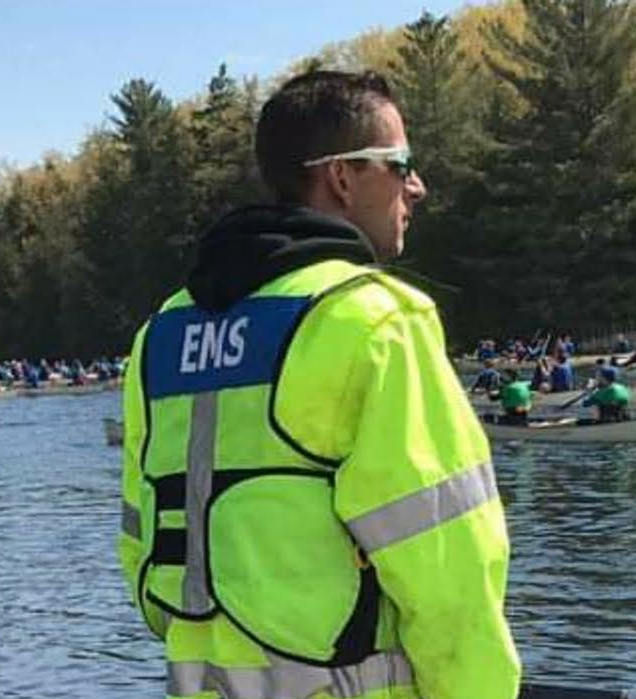
Is your standard workplace first aid certificate enough to protect your team—and your business—when the “workplace” is a remote forest, a mountain trail, or a northern field site?
For employers in Ontario and across Canada, the answer is often a resounding no.
While urban offices follow clear first aid regulations, the legal landscape shifts dramatically for remote and wilderness-based work. This post cuts through the legal jargon to explain why wilderness-specific medical training, like a Wilderness First Responder (WFR) course, isn’t just a “nice-to-have”—it’s a critical component of your legal duty of care and a smart investment in risk management.
The Foundation: Your “Duty of Care” in Plain Language
At its core, both federal and provincial law require employers to take every reasonable precaution to keep workers safe. This is your “general duty.” In a city, “reasonable” might mean a standard first aid kit and a trained employee who can call 911. In the backcountry, where help is hours or even days away, “reasonable” changes completely.
Decoding the Regulations: Ontario, Federal, and Remote Work
For Most Ontario Employers (Under the OHSA)
The Ontario Occupational Health and Safety Act and its Regulation 1101 set first aid rules based on worker numbers and distance from a hospital. It recognizes Standard First Aid (SFA).
The Critical Gap: SFA is designed for urban settings with quick EMS response. If your employees work where cell service is spotty and ambulance ETA is measured in hours, SFA alone is likely insufficient to meet your legal duty. In a court or WSIB hearing, the question will be: “Did you provide training appropriate to the actual hazards and location of the work?” For wilderness hazards—from prolonged patient care to environmental emergencies—a Wilderness First Aid (WFA) or WFR certification is the demonstrably appropriate standard.
For Federally Regulated Employers (Under Canada Labour Code)
This applies to sectors like transport, telecom, banking, and federal Crown corporations. The same principle holds: your first aid plan must account for the reality of the work location. Employees conducting field inspections, environmental monitoring, or remote infrastructure work need first aid skills that match their isolation. Wilderness medicine training is how you fill that gap and demonstrate due diligence.
For Public Sector Employers (Federal & Provincial)
Government agencies sending staff into the field—think Parks Canada, MNRF, conservation officers, research scientists—have the same duty. Funding or requiring WFR training for these employees isn’t just a policy; it’s a direct fulfillment of the employer’s obligation to provide a safe work environment. It’s a key risk control measure embedded in job descriptions and safety manuals.
The Contractor & Project Site Reality
If you’re a contractor bidding on a remote project (mining, forestry, adventure tourism), your safety plan is a key differentiator. Prime contractors and site owners are legally responsible for overall site safety. They will demand, and your contract will often stipulate, that your personnel have wilderness-specific medical training.
Having WFR-certified staff isn’t just checking a box; it proves your capability to manage the unique risks of the site, making you a safer, more reliable partner.
Beyond Compliance: The Tangible ROI of Wilderness Medicine Training
Investing in a course like WFR isn’t just about avoiding liability—it actively builds a culture of safety and resilience that delivers real returns:
Enhanced Due Diligence: It’s your strongest evidence that you took “reasonable” steps for worker safety.
Reduced Incident Severity: Proper remote care can stabilize a situation, preventing a medical emergency from becoming a tragedy and a massive legal claim.
Empowered Teams & Morale: Employees feel safer and more valued, which boosts retention and confidence in leadership.
Protects Your Reputation: Demonstrates to clients, partners, and the public that you operate responsibly.
The Bottom Line for Smart Employers
Standard first aid certifications are built for the street, not the trail. When your team’ workplace is beyond the reach of rapid paramedic response, your safety standards must adapt.
Wilderness First Responder (WFR) training is the recognized benchmark for credible, comprehensive remote care. It equips your team with the critical thinking and practical skills to manage emergencies when they’re truly on their own.
Is your organization’s first aid plan built for the real world your employees work in?
Contact us today to discuss how our tailored Wilderness First Responder (WFR) training can fulfill your duty of care and protect your most important asset—your people.

Focus Keywords:


Comments